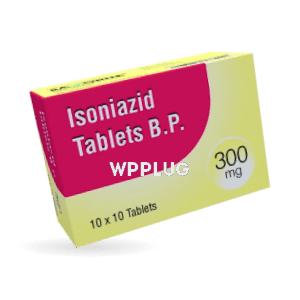
Isoniazid
| Product dosage: 300mg | |||
|---|---|---|---|
| Package (num) | Per pill | Price | Buy |
| 90 | $0.50 | $45.00 (0%) | 🛒 Add to cart |
| 120 | $0.46 | $60.00 $55.00 (8%) | 🛒 Add to cart |
| 180 | $0.42 | $90.00 $75.00 (17%) | 🛒 Add to cart |
| 270 | $0.39 | $135.00 $106.00 (21%) | 🛒 Add to cart |
| 360 | $0.38
Best per pill | $180.00 $136.00 (24%) | 🛒 Add to cart |
Synonyms
| |||
Isoniazid: The Gold Standard in Tuberculosis Treatment
Isoniazid, also known by its common brand name Nydrazid, is a first-line antibacterial agent specifically indicated for the treatment and prevention of all forms of active and latent tuberculosis (TB) infection caused by susceptible strains of Mycobacterium tuberculosis. As a cornerstone of modern anti-tuberculosis therapy, it is one of the most effective and essential medications in global public health efforts to control and eradicate this infectious disease. Its mechanism of action involves the inhibition of mycolic acid synthesis, a critical component of the mycobacterial cell wall, leading to bactericidal activity against actively dividing organisms and bacteriostatic effects against dormant bacilli. This medication is typically used as part of a multi-drug regimen to prevent the development of drug resistance and to ensure comprehensive microbial eradication.
Features
- Pharmacologic Class: Antibacterial; Isonicotinic acid hydrazide (INH)
- Available Forms: Oral tablets (100 mg, 300 mg); Syrup (50 mg/5 mL); Injectable solution (100 mg/mL)
- Mechanism of Action: Inhibits the synthesis of mycolic acids, essential components of the mycobacterial cell wall
- Bioavailability: Approximately 90% following oral administration
- Protein Binding: Low (0–10%)
- Metabolism: Primarily hepatic via N-acetyltransferase (subject to genetic polymorphism)
- Elimination Half-Life: Fast acetylators: 0.5–1.6 hours; Slow acetylators: 2–5 hours
- Excretion: Primarily renal (75–95%), with some fecal elimination
Benefits
- High Bactericidal Activity: Demonstrates potent killing action against actively multiplying tubercle bacilli, rapidly reducing infectiousness and patient symptomatology.
- Proven Efficacy in Latent TB: Significantly reduces the risk of progression from latent tuberculosis infection (LTBI) to active disease, a critical component of TB control programs.
- Central Role in Combination Therapy: Serves as the backbone of most first-line anti-TB regimens, working synergistically with rifampin, pyrazinamide, and ethambutol to prevent resistance.
- Well-Established Safety Profile: Decades of clinical use have resulted in extensive familiarity with its adverse effect profile and management strategies among healthcare providers.
- Multiple Formulations: Availability in oral tablets, liquid suspension, and injectable forms allows for administration across diverse patient populations and clinical scenarios.
- Cost-Effectiveness: As a generic medication, it represents a highly economical option for both individual treatment and large-scale public health initiatives.
Common use
Isoniazid is primarily used for the treatment of all forms of active tuberculosis caused by susceptible strains of M. tuberculosis, always in combination with other antituberculous drugs to prevent the emergence of resistance. It is also indicated for the preventive therapy of latent tuberculosis infection (LTBI) in individuals with positive tuberculin skin tests or interferon-gamma release assays who are at high risk of developing active disease. This includes recent contacts of infectious TB cases, HIV-infected individuals, patients with fibrotic changes on chest radiograph consistent with prior TB, and those undergoing immunosuppressive therapy. Furthermore, it is used as monotherapy for the treatment of LTBI after active TB has been ruled out. Its use extends to neonatal chemoprophylaxis in certain high-risk scenarios and as part of directly observed therapy (DOT) programs to ensure adherence.
Dosage and direction
Dosing is weight-based and must be individualized based on the indication (treatment vs. prophylaxis), patient age, renal/hepatic function, and acetylator status.
For Active Tuberculosis (always in combination therapy):
- Adults: 5 mg/kg/day (usual dose 300 mg daily) or 15 mg/kg (max 900 mg) 2-3 times per week in directly observed therapy (DOT)
- Children: 10–15 mg/kg/day (max 300 mg daily) or 20–40 mg/kg (max 900 mg) 2-3 times per week
For Latent TB Infection (LTBI) Prophylaxis:
- Adults: 300 mg daily or 900 mg twice weekly for 6–9 months
- Children: 10–20 mg/kg/day (max 300 mg daily) or 20–40 mg/kg (max 900 mg) twice weekly
Administration should occur on an empty stomach, at least 1 hour before or 2 hours after meals, to maximize absorption. However, if gastrointestinal upset occurs, it may be taken with food, recognizing that this may decrease bioavailability. Pyridoxine (vitamin B6) supplementation (25–50 mg daily) is strongly recommended for all patients to prevent neuropathic effects, particularly in those with nutritional deficiencies, diabetes, HIV infection, alcoholism, pregnancy, or breastfeeding.
Precautions
Baseline assessment should include liver function tests (AST, ALT, bilirubin), creatinine, and a complete blood count. Monthly monitoring of liver enzymes is mandatory during treatment due to the risk of hepatotoxicity. Patients should be educated to report immediately any symptoms suggestive of hepatitis, such as unexplained anorexia, nausea, vomiting, dark urine, jaundice, or right upper quadrant pain. Use with extreme caution in patients with chronic liver disease, alcoholism, or previous isoniazid-associated hepatic injury. Regular monitoring for signs of peripheral neuropathy (numbness, tingling, burning sensations in extremities) is essential. Diabetic patients require careful glucose monitoring as hyperglycemia has been reported. Ophthalmologic examinations are recommended if visual symptoms occur. Isoniazid may cause false-positive urine glucose tests when using cupric sulfate solution (Benedict’s reagent).
Contraindications
Isoniazid is contraindicated in patients with a history of severe hypersensitivity reactions to the drug, including drug-induced hepatitis, fever, rash, or other severe adverse effects. It should not be used in patients with acute liver disease of any etiology or severe hepatic impairment. Concomitant administration with rifampin in patients with pre-existing liver disease requires extreme caution. Previous history of isoniazid-associated neurotoxicity that was severe or not manageable with pyridoxine represents another contraindication. Use during treatment of latent TB is contraindicated in persons with suspected or confirmed active tuberculosis disease, as monotherapy would be inadequate and promote resistance.
Possible side effect
Common (≥1%): Peripheral neuropathy (dose-related, preventable with pyridoxine), elevated liver transaminases, nausea, vomiting, epigastric distress, dizziness, rash, fever.
Serious (<1% but require immediate medical attention):
- Hepatotoxicity: Ranges from asymptomatic transaminase elevation to fatal hepatitis; risk increases with age and alcohol consumption
- Hypersensitivity reactions: Stevens-Johnson syndrome, drug rash with eosinophilia and systemic symptoms (DRESS)
- Hematologic: Agranulocytosis, thrombocytopenia, anemia, eosinophilia
- Neurologic: Optic neuritis, seizures, toxic encephalopathy, psychosis
- Metabolic: Pyridoxine deficiency, pellagra-like syndrome, hyperglycemia
- Miscellaneous: Lupus-like syndrome, arthralgias, gynecomastia
Drug interaction
Isoniazid is a moderate inhibitor of several cytochrome P450 enzymes, particularly CYP2C19, CYP2C9, and CYP3A4, leading to numerous clinically significant interactions:
- Anticonvulsants: Increases levels of phenytoin, carbamazepine, and ethosuximide (monitor levels and reduce dose)
- Benzodiazepines: Potentiates effects of diazepam, triazolam (consider dose reduction)
- Warfarin: Enhances anticoagulant effect (monitor INR closely)
- Theophylline: Increases serum concentrations (monitor levels)
- Ketoconazole/Azoles: May decrease azole concentrations (monitor efficacy)
- Rifampin: Concomitant use increases risk of hepatotoxicity (requires enhanced monitoring)
- Disulfiram: May cause coordination difficulties and psychotic episodes
- Acetaminophen: Increases risk of hepatotoxicity (avoid excessive use)
- Alcohol: Daily consumption increases risk of hepatitis and reduces efficacy
Missed dose
If a dose is missed, it should be taken as soon as remembered on the same day. However, if it is almost time for the next scheduled dose, the missed dose should be skipped, and the regular dosing schedule resumed. Patients should never double the dose to make up for a missed one. For patients on twice-weekly or thrice-weekly regimens under directly observed therapy, the missed dose should be taken as soon as possible, and the schedule adjusted in consultation with the healthcare provider to maintain the appropriate interval between doses. Consistent adherence is critical to treatment success and prevention of resistance.
Overdose
Acute overdose of 1.5g or more may cause symptoms within 30 minutes to 3 hours. Early manifestations include nausea, vomiting, dizziness, slurred speech, blurred vision, and visual hallucinations. Severe overdose (≥10g) may lead to seizures, metabolic acidosis, respiratory distress, coma, and severe hypoglycemia. Treatment is supportive and symptomatic: gastric lavage or activated charcoal if presented within 1-2 hours of ingestion. Pyridoxine (vitamin B6) is the specific antidote and should be administered intravenously in a gram-for-gram equivalent to the amount of isoniazid ingested. If the amount ingested is unknown, give 5g IV pyridoxine and repeat every 5-10 minutes until seizures stop. Additional supportive care includes benzodiazepines for seizures, sodium bicarbonate for acidosis, and glucose for hypoglycemia. Hemodialysis may be effective in severe cases.
Storage
Store at controlled room temperature (20–25°C or 68–77°F) in a tight, light-resistant container. Keep the bottle tightly closed and protect from moisture. Do not freeze the liquid formulation. Keep out of reach of children and pets. Do not use beyond the expiration date printed on the packaging. Properly discard any unused medication that is no longer needed or has expired. Do not flush medications down the toilet or pour them into a drain unless instructed to do so.
Disclaimer
This information is provided for educational purposes only and does not constitute medical advice. Isoniazid is a prescription medication that should only be used under the direct supervision of a qualified healthcare professional. The treating physician must make all decisions regarding diagnosis, treatment selection, dosing, and monitoring based on the individual patient’s clinical condition, contraindications, and risk factors. Patients should not initiate, adjust, or discontinue therapy without medical consultation. While every effort has been made to ensure accuracy, medical knowledge is constantly evolving, and newer information may supersede details presented here.
Reviews
“Isoniazid remains the cornerstone of tuberculosis therapy after more than six decades of use. Its bactericidal activity against M. tuberculosis is unmatched, though hepatotoxicity requires vigilant monitoring. The addition of pyridoxine has significantly reduced neurological adverse effects.” — Infectious Disease Specialist, 15 years experience
“In our TB control program, isoniazid preventive therapy has dramatically reduced activation rates in latent infection. The twice-weekly directly observed therapy protocol has improved adherence in challenging populations.” — Public Health Physician
“While hepatotoxicity is a concern, regular monitoring allows for early detection and intervention. The benefits of preventing active TB far outweigh the risks when properly managed. The genetic polymorphism in acetylation adds an interesting pharmacokinetic dimension to dosing considerations.” — Clinical Pharmacologist
“Managing isoniazid therapy requires balancing efficacy with toxicity. We’ve found that patient education about symptom recognition, combined with regular laboratory monitoring, creates a safe treatment environment. The drug interactions are numerous but manageable with careful medication reconciliation.” — Tuberculosis Nurse Specialist