Paroxetine: Restore Serotonin Balance for Lasting Mental Wellness
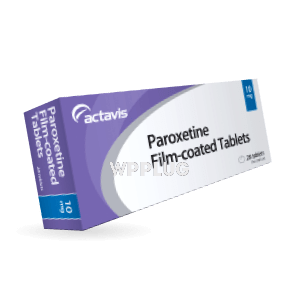
Paroxetine
| Product dosage: 20mg | |||
|---|---|---|---|
| Package (num) | Per pill | Price | Buy |
| 30 | $1.47 | $44.00 (0%) | 🛒 Add to cart |
| 60 | $1.15 | $88.00 $69.00 (22%) | 🛒 Add to cart |
| 90 | $1.06 | $132.00 $95.00 (28%) | 🛒 Add to cart |
| 120 | $1.00 | $176.00 $120.00 (32%) | 🛒 Add to cart |
| 180 | $0.94 | $264.00 $169.00 (36%) | 🛒 Add to cart |
| 270 | $0.91 | $396.00 $246.00 (38%) | 🛒 Add to cart |
| 360 | $0.89
Best per pill | $528.00 $321.00 (39%) | 🛒 Add to cart |
Synonyms
| |||
Paroxetine is a selective serotonin reuptake inhibitor (SSRI) indicated for the management of major depressive disorder, obsessive-compulsive disorder, panic disorder, social anxiety disorder, generalized anxiety disorder, and post-traumatic stress disorder. As a potent and highly specific agent, it functions by increasing serotonin levels in the central nervous system, which plays a critical role in mood regulation, emotional stability, and anxiety reduction. Its favorable pharmacokinetic profile and established efficacy make it a first-line pharmacological option in psychiatric and neurological therapeutics.
Features
- Active ingredient: Paroxetine hydrochloride
- Available in immediate-release tablets (10 mg, 20 mg, 30 mg, 40 mg) and controlled-release formulations (12.5 mg, 25 mg, 37.5 mg)
- Selective inhibition of serotonin reuptake with minimal impact on norepinephrine and dopamine transporters
- Half-life of approximately 21 hours (immediate-release) and 15–20 hours (controlled-release)
- Metabolized primarily by CYP2D6 isoenzyme; caution advised in poor metabolizers
- Bioavailability reduced by food; recommend consistent administration relative to meals
Benefits
- Effectively alleviates symptoms of depression and anxiety disorders
- Reduces frequency and intensity of panic attacks
- Improves social engagement and reduces avoidance behaviors in social anxiety
- Helps manage intrusive thoughts and compulsive behaviors in OCD
- Supports long-term mood stabilization with consistent use
- Available in multiple formulations to accommodate individual tolerance and dosing needs
Common use
Paroxetine is commonly prescribed for the treatment of major depressive disorder (MDD), characterized by persistent low mood, anhedonia, and cognitive disturbances. It is also widely used for anxiety spectrum disorders, including generalized anxiety disorder (GAD), social anxiety disorder (SAD), panic disorder (PD), and obsessive-compulsive disorder (OCD). Off-label uses may include management of premenstrual dysphoric disorder (PMDD), vasomotor symptoms of menopause, and certain chronic pain conditions, though evidence supporting these applications varies.
Dosage and direction
Dosage must be individualized based on diagnosis, patient response, and tolerability. For depression and anxiety disorders, initial dosing typically begins at 10–20 mg once daily, preferably in the morning. Dose may be increased in increments of 10 mg at weekly intervals, not to exceed 50 mg/day for most indications (60 mg/day for OCD). Controlled-release formulations should be swallowed whole and not crushed or chewed. Elderly patients, those with hepatic or renal impairment, and CYP2D6 poor metabolizers should initiate therapy at lower doses. Abrupt discontinuation should be avoided; taper gradually under medical supervision.
Precautions
Patients should be monitored for emergence of anxiety, agitation, panic attacks, insomnia, irritability, hostility, impulsivity, and hypomania, particularly during initial treatment and dose adjustments. Use with caution in patients with a history of seizures, bipolar disorder, or angle-closure glaucoma. Paroxetine may impair cognitive and motor performance; advise against driving or operating machinery until response is established. Regular assessment of renal and hepatic function is recommended during long-term therapy. Pregnancy and breastfeeding require careful risk-benefit evaluation.
Contraindications
Paroxetine is contraindicated in patients with known hypersensitivity to paroxetine or any component of the formulation. Concomitant use with monoamine oxidase inhibitors (MAOIs) or within 14 days of discontinuing MAOI therapy is contraindicated due to risk of serotonin syndrome. It is also contraindicated in patients taking pimozide or thioridazine. Use is not recommended in individuals with uncontrolled narrow-angle glaucoma or severe hepatic impairment.
Possible side effects
Common adverse reactions (≥5%) include nausea, somnolence, asthenia, dizziness, insomnia, sweating, sexual dysfunction, and constipation. Less frequently reported effects include weight gain, blurred vision, yawning, and tremor. Serious side effects may include serotonin syndrome, hyponatremia (especially in elderly patients), abnormal bleeding, angle-closure glaucoma, and manic episodes. Long-term use has been associated with discontinuation symptoms upon abrupt withdrawal.
Drug interaction
Paroxetine is a strong inhibitor of CYP2D6 and may increase plasma concentrations of drugs metabolized by this enzyme (e.g., tricyclic antidepressants, antipsychotics, beta-blockers, tamoxifen). Concomitant use with serotonergic agents (tramadol, triptans, other SSRIs) increases risk of serotonin syndrome. NSAIDs, aspirin, and other anticoagulants may elevate bleeding risk. Use with caution alongside drugs that prolong QT interval. Avoid combination with MAOIs.
Missed dose
If a dose is missed, it should be taken as soon as remembered unless it is close to the time of the next scheduled dose. In that case, the missed dose should be skipped and the regular dosing schedule resumed. Doubling the dose is not recommended.
Overdose
Symptoms of overdose may include nausea, vomiting, tremor, agitation, dizziness, tachycardia, and dilated pupils. Severe cases may involve serotonin syndrome, seizures, or coma. There is no specific antidote; treatment is supportive and symptomatic. Gastric lavage and activated charcoal may be considered if presented early. Monitor vital signs and provide appropriate symptomatic care.
Storage
Store at room temperature (20–25°C), away from light, moisture, and heat. Keep in the original container, tightly closed. Do not store in bathrooms or damp areas. Keep out of reach of children and pets. Do not use beyond the expiration date printed on the packaging.
Disclaimer
This information is intended for educational purposes and does not replace professional medical advice, diagnosis, or treatment. Always consult a qualified healthcare provider before starting, changing, or discontinuing any medication. Individual response to paroxetine may vary. Not all uses, precautions, or interactions are listed here.
Reviews
Clinical studies and meta-analyses consistently demonstrate paroxetine’s efficacy in reducing symptom severity across multiple psychiatric disorders. Patient-reported outcomes often highlight improved mood, reduced anxiety, and enhanced functional capacity. Some users report initial side effects such as nausea or drowsiness, which frequently diminish over time. Long-term adherence is generally favorable with appropriate dosing and monitoring.