Wellbutrin: Effective Relief for Major Depressive Disorder
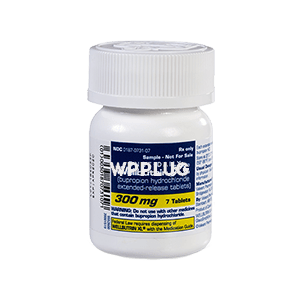
Wellbutrin
| Product dosage: 300mg | |||
|---|---|---|---|
| Package (num) | Per pill | Price | Buy |
| 30 | $2.20 | $66.00 (0%) | 🛒 Add to cart |
| 60 | $1.95 | $132.00 $117.00 (11%) | 🛒 Add to cart |
| 90 | $1.87 | $198.00 $168.00 (15%) | 🛒 Add to cart |
| 120 | $1.82 | $264.00 $219.00 (17%) | 🛒 Add to cart |
| 180 | $1.78 | $396.00 $321.00 (19%) | 🛒 Add to cart |
| 270 | $1.76 | $594.00 $474.00 (20%) | 🛒 Add to cart |
| 360 | $1.74
Best per pill | $792.00 $627.00 (21%) | 🛒 Add to cart |

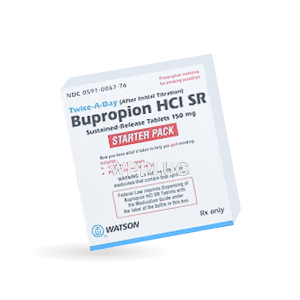
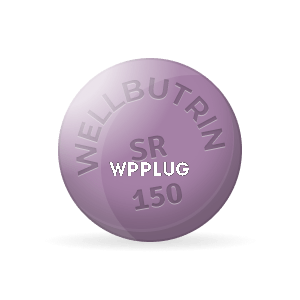
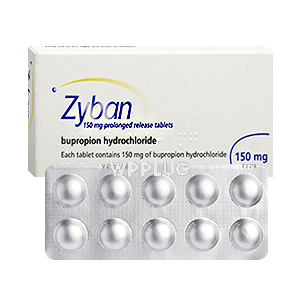
Wellbutrin (bupropion hydrochloride) is a prescription antidepressant medication belonging to the aminoketone class, distinct from commonly prescribed selective serotonin reuptake inhibitors (SSRIs). It is primarily indicated for the treatment of major depressive disorder (MDD) and is also approved for the prevention of seasonal affective disorder (SAD) and as an aid to smoking cessation. Its unique neurochemical profile, primarily acting as a norepinephrine–dopamine reuptake inhibitor (NDRI), offers a valuable therapeutic alternative, particularly for patients who experience undesirable side effects like sexual dysfunction or weight gain with other antidepressant classes. This mechanism provides effective mood elevation with a differentiated side effect profile, making it a cornerstone in modern psychopharmacology.
Features
- Active Pharmaceutical Ingredient: Bupropion hydrochloride.
- Available in multiple extended-release (XL), sustained-release (SR), and immediate-release formulations to suit individual patient needs.
- Class: Aminoketone; Norepinephrine–Dopamine Reuptake Inhibitor (NDRI).
- Standard tablet strengths include 75 mg, 100 mg, 150 mg, 200 mg, and 300 mg.
- Requires a prescription from a licensed healthcare provider.
Benefits
- Provides effective relief from the symptoms of major depressive disorder, including low mood, anhedonia (loss of interest), and changes in sleep/appetite.
- Offers a favorable side effect profile with a low incidence of sexual dysfunction and weight gain, common limitations of SSRI therapy.
- Can improve energy levels, focus, and motivation due to its action on norepinephrine and dopamine pathways.
- Serves as an effective monotherapy or adjunctive therapy for treatment-resistant depression.
- FDA-approved for use as a smoking cessation aid (under the brand name Zyban) by reducing cravings and withdrawal symptoms.
- Approved for the prevention of depressive episodes in patients with a history of seasonal affective disorder (SAD).
Common use
Wellbutrin is most commonly prescribed for the treatment of major depressive disorder (MDD). Its use is grounded in restoring the balance of certain natural substances (neurotransmitters) in the brain, specifically norepinephrine and dopamine. It is frequently selected for patients who have not tolerated SSRIs or SNRIs well, often due to side effects such as significant weight gain or sexual dysfunction. Beyond its primary indication for MDD, it is also widely and effectively used off-label for conditions such as attention-deficit/hyperactivity disorder (ADHD) and to counteract SSRI-induced sexual side effects when used in combination therapy. Its efficacy in aiding smoking cessation is a well-established and separate FDA-approved indication.
Dosage and direction
Dosage must be individualized by a healthcare provider based on the patient’s medical condition and response to treatment. The extended-release formulation (Wellbutrin XL) is typically initiated at 150 mg administered orally once daily in the morning. Depending on clinical response and tolerability, the dose may be increased to the target dose of 300 mg once daily after several days. Doses should be swallowed whole and not crushed, chewed, or divided, as this can alter the release profile and increase the risk of adverse effects, including seizure. A minimum of 8 hours should separate successive doses of the sustained-release (SR) formulation to avoid peak-dose side effects and toxicity. Dosing strategies for smoking cessation (Zyban) follow a specific titration schedule. It is crucial to adhere strictly to the prescribing physician’s instructions.
Precautions
Prior to initiating Wellbutrin, a comprehensive patient assessment is mandatory. Inform your doctor of any history of seizure disorder, head trauma, brain tumor, or eating disorders (e.g., bulimia or anorexia nervosa), as these conditions significantly increase seizure risk. Use with extreme caution in patients with severe hepatic cirrhosis; dose adjustment is necessary. Blood pressure and heart rate should be monitored, as elevations may occur. Patients should be advised that Wellbutrin contains the same active ingredient as Zyban and other bupropion products; concomitant use is contraindicated. This medication may impair mental or physical abilities required for performing hazardous tasks, such as operating machinery or driving. Alcohol consumption should be minimized or avoided, as it may lower the seizure threshold and impair judgment.
Contraindications
Wellbutrin is absolutely contraindicated in patients with a known hypersensitivity to bupropion or any component of the product formulation. It must not be used in patients with a current or prior diagnosis of bulimia or anorexia nervosa due to a higher associated incidence of seizure. Concomitant therapy with other medications containing bupropion (e.g., Zyban, Aplenzin) is prohibited. It is contraindicated in patients undergoing abrupt discontinuation of alcohol or sedatives (including benzodiazepines). Use is also contraindicated in patients who have taken a monoamine oxidase inhibitor (MAOI) within the preceding 14 days, due to the potential for severe and dangerous drug interactions, including hypertensive crisis.
Possible side effect
As with all medications, Wellbutrin can cause side effects, though not everyone experiences them. The most commonly reported adverse reactions include:
- Dry mouth
- Insomnia
- Headache
- Nausea/vomiting
- Constipation
- Tremor
- Excessive sweating
- Anxiety and agitation
- Dizziness
- Tinnitus
- Rash A small percentage of patients may experience more significant side effects, such as increased blood pressure, severe skin reactions, angle-closure glaucoma, or suicidal thoughts and behaviors (particularly in young adults under 24). The most serious potential risk is seizure, which is dose-dependent. Patients should be instructed to contact their healthcare provider immediately for any severe or persistent side effects.
Drug interaction
Wellbutrin undergoes extensive hepatic metabolism primarily via the CYP2B6 enzyme system. Concomitant use with drugs that induce or inhibit this enzyme can significantly alter bupropion levels.
- MAOIs: Absolute contraindication. Risk of hypertensive crisis.
- Other Antidepressants: Caution is advised with combined use of SSRIs, TCAs, or antipsychotics, as bupropion can inhibit their metabolism (via CYP2D6), potentially increasing their levels and side effects.
- Antipsychotics: May lower the seizure threshold.
- CYP2B6 Inhibitors (e.g., ticlopidine, clopidogrel): Can increase bupropion exposure and the risk of adverse effects.
- CYP2B6 Inducers (e.g., ritonavir, lopinavir, carbamazepine): Can decrease bupropion exposure, potentially reducing its efficacy.
- Levodopa and Amantadine: Use with caution due to potential synergistic dopaminergic effects. Always provide your doctor and pharmacist with a complete list of all prescription, over-the-counter, and herbal products you are taking.
Missed dose
If a dose is missed, it should be taken as soon as remembered. However, if it is close to the time for the next scheduled dose, the missed dose should be skipped, and the regular dosing schedule resumed. Do not double the dose to catch up. Taking more than the prescribed dose at one time significantly increases the risk of seizure. For the once-daily XL formulation, if a dose is missed and not remembered until the next day, only one tablet should be taken. Establishing a consistent daily routine is critical for maintaining stable drug levels and therapeutic effect.
Overdose
Overdose with Wellbutrin is a medical emergency and is associated with a significant risk of severe and fatal outcomes. The most serious risks include seizures, sinus tachycardia, hallucinations, and loss of consciousness. Cardiac disturbances such as arrhythmias and cardiovascular collapse may occur. Electrolyte imbalances are also common. Death has been reported in cases of acute overdose. In case of suspected overdose, immediate medical attention must be sought by calling emergency services (e.g., 911 in the US). Treatment is primarily supportive and symptomatic, aimed at maintaining an open airway and managing seizures and cardiac complications. Gastric lavage may be considered if presented early.
Storage
Store Wellbutrin tablets at room temperature (68°F to 77°F or 20°C to 25°C) in a tightly closed container. Keep the medication away from light, excess heat, and moisture (i.e., not in a bathroom). Do not remove tablets from their blister pack until immediately before use. All medications must be kept out of reach of children and pets to prevent accidental ingestion. Properly discard any expired or no-longer-needed medication through a medicine take-back program or by following FDA-approved disposal methods (do not flush unless instructed).
Disclaimer
This information is for educational purposes only and is not a substitute for the professional judgment of a qualified healthcare professional in diagnosing and treating patients. The content does not provide medical advice, diagnosis, or treatment. Always seek the advice of your physician or other qualified health provider with any questions you may have regarding a medical condition or medication. Never disregard professional medical advice or delay in seeking it because of something you have read here. The manufacturer and publisher are not responsible for any errors or omissions or for any consequences from the application of this information.
Reviews
- “As a psychiatrist with over 20 years of practice, Wellbutrin remains a first-line option for many of my patients, particularly those concerned about the metabolic and sexual side effects of SSRIs. Its activating properties are often beneficial for patients with significant fatigue and anergia.” — Dr. Eleanor Vance, MD, Psychiatry
- “After struggling with weight gain on two previous antidepressants, my doctor switched me to Wellbutrin. It has been effective for my depression without that particular side effect. The initial adjustment period included some insomnia, but that subsided.” — Patient M, 42
- “The NDRI mechanism of action provides a crucial alternative pathway for treating depression. Its efficacy in smoking cessation is a testament to its unique pharmacology. However, vigilance regarding seizure risk, especially during dose titration, is paramount.” — Clinical Pharmacist Review
- “I found it to be very effective for motivation and focus, which were my primary symptoms. It felt different from other antidepressants I’ve tried—less emotionally blunting and more energizing.” — Patient T, 31
- “From a clinical trial perspective, bupropion consistently demonstrates robust efficacy in MDD and SAD. Its well-characterized pharmacokinetics allow for predictable dosing, though therapeutic drug monitoring is not routinely indicated.” — Research Scientist, Neuropharmacology